Spring Lights Over The Vistula 🇵🇱🇪🇺
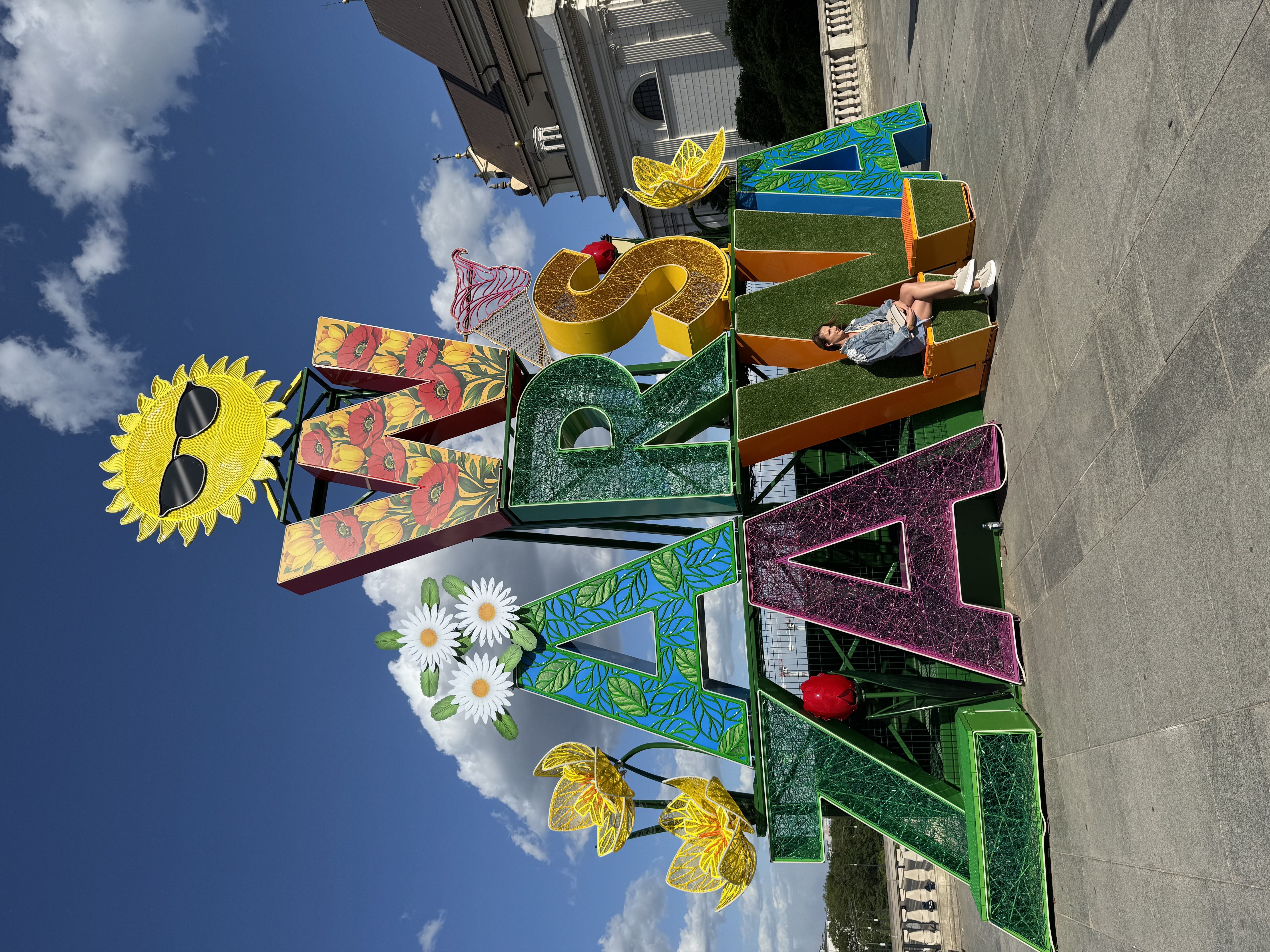
The Old Town, Warsaw, Poland, May 2026
Between Canada and Morocco, there was Warsaw.
Not as a final destination, and not merely as a stopover either, but as one of those in-between pauses that unexpectedly gather their own meaning. After returning from Toronto, before continuing onward toward North Africa, Mum and I spent a day in the Polish capital — walking slowly, resting a little, allowing ourselves to simply be present in the city.
Warsaw greeted us with warmth and movement.
The city always fascinates me because it exists simultaneously in several different centuries. Glass skyscrapers rise where ruins once stood. Carefully reconstructed streets sit beside modern boulevards filled with trams, cafés, offices, and crowds flowing constantly in every direction. Few places in Europe embody reinvention quite like Warsaw.
Glass, steel, and memory
We spent part of the day walking among the skyscrapers of central Warsaw.
The skyline has changed dramatically over the past decades. Towers of glass and steel now dominate parts of the city that, during communism, felt grey, restrained, almost suspended in time. Today, the centre pulses with confidence and ambition. International companies, hotels, restaurants, and apartment towers stretch upward into the spring sky, giving Warsaw an energy that often surprises those visiting for the first time.
And yet even here, history is never absent.
The massive silhouette of the Palace of Culture and Science, controversial and iconic at the same time, still watches over the city. Gifted by Stalin in the 1950s, once hated by many as a symbol of Soviet domination, it has gradually become woven into Warsaw’s identity — not loved by everyone perhaps, but impossible to imagine the city without.
Warsaw often feels like that: complex, layered, unwilling to fit neatly into simple narratives.
The Old Town
Later, we wandered through the Warsaw Old Town.
To walk there is to walk through both history and reconstruction. Almost completely destroyed during the Second World War after the Warsaw Uprising, the Old Town was rebuilt painstakingly, stone by stone, using paintings, photographs, and memory itself as guides. Today it stands not only as a beautiful district, but as a monument to resilience and cultural survival.
The pastel façades glowed softly in the afternoon light.
Tourists moved between cafés and narrow streets. Church bells echoed occasionally through the square. Artists sold paintings beside old walls. There was life everywhere — not theatrical, simply lived.
Walking there with Mum felt especially meaningful. There is something deeply comforting about sharing familiar places quietly, without needing to explain them.
Beside the Vistula
Toward evening, we made our way to the Vistula River.
The river has become one of Warsaw’s great social spaces in recent years. Paths stretch along the embankments, cafés and bars open toward the water, cyclists and runners pass constantly, and people gather simply to sit and watch the light change over the city.
The Vistula itself feels different from many European rivers.
It remains slightly wild, less controlled, less polished. Sandbanks still appear naturally along its course. Birds move across the water. Even in the centre of the capital, there is a sense that nature continues negotiating space with the city rather than fully surrendering to it.
We sat there for a long time.
The evening light softened the skyline. Conversations drifted around us. Boats moved slowly across the river. After so much recent movement — Caracas, Lisbon, Warsaw, Toronto, Prince Edward County — the stillness of that moment felt unexpectedly important.
Time with Mum
More than anything, this album is about time with Mum.
Not dramatic moments. Not grand events. Simply shared space, conversations, meals, walking together through places both familiar and changing.
As life moves faster and journeys become increasingly frequent, these quieter days acquire greater value. They remind me that travel is not always about discovery. Sometimes it is about companionship — about experiencing places through the calm presence of someone who has shared your story from the very beginning.
Before the next horizon
Soon Morocco awaited.
Another airport. Another flight. Another landscape entirely different from the ones we had just left behind.
But Warsaw provided an important pause between those worlds — a day of spring light, river air, old streets, modern towers, and quiet family closeness before the journey continued onward once again.
And perhaps that is what travel increasingly means to me now:
Not escaping life, but moving more attentively through it.
Click here to access the album.

List to links of all albums available in 'Google Pictures'
April 2026
March 2026
February 2026
January 2026
December 2025
November 2025
May 2025
April 2025
March 2025
December 2024
November 2024
June 2024
May 2024
February 2024
January 2024
December 2023
November 2023
October 2023
September 2023
August 2023
July 2023
June 2023
May 2023
April 2023
March 2023
February 2023
January 2023
December 2022
November 2022
October 2022
September 2022
August 2022
July 2022
June 2022
May 2022
April 2022
March 2022
December 2021
November 2021
October 2021
September 2021
August 2021
July 2021
June 2021
March 2021
February 2021
January 2021
October 2020
September 2020
January 2020
December 2019
November 2019
August 2019
July 2019
June 2019
May 2019
April 2019
March 2019
February 2019
January 2019
December 2018